

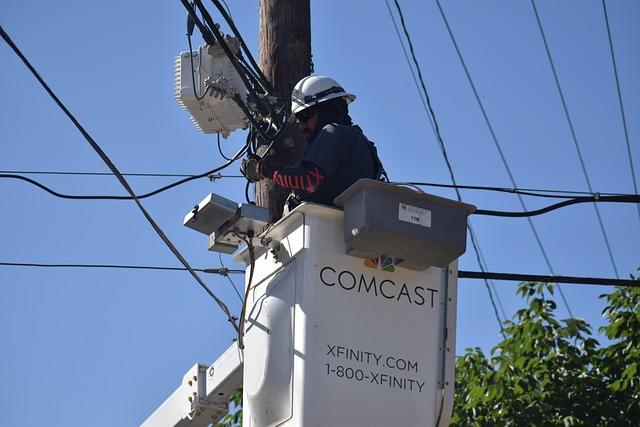


Power Outages Impact Over 100,000 Houston Residents After Intense Saturday Storms
Early Saturday morning, Houston experienced a severe weather event marked by torrential rain and powerful winds, resulting in extensive power outages affecting more than 100,000 people across the metropolitan area. The storm caused significant damage to electrical infrastructure, including downed trees that disrupted power lines and damaged substations. Utility companies have mobilized crews to address the outages, prioritizing safety and swift restoration while keeping the public informed.
Recovery operations are ongoing, but officials caution that full power restoration may extend over several days due to the scale of damage and ongoing weather conditions. Critical services such as hospitals and emergency response centers are receiving priority attention. The storm’s consequences include:
- Traffic disruptions: Malfunctioning traffic lights in multiple neighborhoods have led to congestion and delays.
- Temporary school shutdowns: Power loss forced several schools to close or delay opening for safety reasons.
- Flooding challenges: Heavy rainfall exacerbated flooding in vulnerable low-lying zones, complicating repair efforts.
| Region | Approximate Outages | Projected Restoration Window |
|---|---|---|
| Downtown Houston | 25,000 | 1 to 1.5 days |
| West Houston | 40,000 | 1.5 to 2 days |
| East Houston | 35,000 | 2 to 3 days |
Community Impact and Resilience Amid Widespread Outages
The sudden loss of electricity disrupted the morning routines of thousands of Houston residents, with some neighborhoods experiencing prolonged blackouts. Many households faced challenges maintaining heating or cooling systems, while food safety became a concern due to refrigeration failures. Schools in affected areas either postponed classes or closed entirely, and emergency responders noted a rise in calls related to hazardous conditions and malfunctioning traffic signals.
Local businesses, especially small retailers and eateries, suffered significant setbacks as weekend customer traffic dwindled. Temporary closures led to financial losses and uncertainty about reopening timelines. This event underscored existing vulnerabilities in Houston’s infrastructure and highlighted the necessity for enhanced communication between utility providers and the public during emergencies. Below is a breakdown of outage figures and estimated downtime in select neighborhoods:
| Neighborhood | Outage Count | Estimated Downtime |
|---|---|---|
| Kingwood | 12,000+ | 4 to 6 hours |
| Spring Branch | 9,500+ | 3 to 5 hours |
| Sharpstown | 7,200+ | 5 to 7 hours |
- Community centers have been repurposed as emergency shelters and charging hubs.
- Residents increasingly relied on backup generators and portable power banks.
- Calls for infrastructure upgrades to mitigate future outage risks have intensified.
Utility Companies’ Response and Safety Protocols Amid Extensive Outages
In response to the widespread outages, Houston’s utility providers swiftly deployed repair teams throughout the affected zones. Restoration efforts have focused on critical infrastructure, including healthcare facilities, emergency services, and water treatment plants. Providers have stressed the importance of public safety, advising residents to avoid contact with downed power lines and to report outages through official channels to facilitate efficient response.
Measures implemented by utility companies include:
- Augmenting repair crews by bringing in additional personnel from neighboring areas to expedite power restoration.
- Enforcing strict safety guidelines to protect workers operating amid storm debris and wet conditions.
- Collaborating with local emergency management to disseminate timely updates and allocate resources effectively.
- Maintaining real-time outage tracking through updated maps and social media channels to keep customers informed.
| Provider | Estimated Restoration Time | Customers Affected |
|---|---|---|
| Houston Electric | 6 to 12 hours | 60,000+ |
| Bay Area Power | 12 to 18 hours | 25,000+ |
| North Houston Utilities | 8 to 14 hours | 18,000+ |
How to Prepare and Stay Safe During Sudden Severe Weather Events
Sudden storms can catch communities off guard, but proactive preparation can significantly reduce risks and inconvenience. It’s essential to keep battery-powered radios or fully charged mobile devices accessible to receive emergency alerts during power outages. Stockpiling essentials such as bottled water, non-perishable foods, flashlights, and extra batteries to cover at least 72 hours is highly recommended. Securing outdoor items like patio furniture and trash bins can prevent them from becoming dangerous projectiles in strong winds. Avoid using candles for lighting to minimize fire hazards.
Identifying safe shelter locations within your home is crucial. Interior rooms on the lowest floor without windows—such as closets or bathrooms—offer the best protection during storms. In flood-prone situations, never attempt to walk or drive through standing water, as even shallow depths can pose serious dangers. Assembling a basic emergency kit can be lifesaving; consider including:
- First aid materials
- Necessary medications
- Important documents sealed in waterproof containers
- Portable phone chargers
- Small denominations of cash
Conclusion: Houston Braces for Continued Storm Activity Amid Recovery Efforts
As Houston works diligently to restore power and recover from Saturday’s severe storms, utility crews remain actively engaged in repair operations across the city. Authorities continue to urge residents to exercise caution, report any downed power lines immediately, and adhere to safety recommendations during cleanup. With the storm season still underway, local officials emphasize the importance of preparedness and vigilance to mitigate the impact of future weather events. Houston Public Media will keep the community updated as restoration progresses and new information becomes available.
—-
Author : William Green
Publish date : 2025-12-03 22:42:00
Copyright for syndicated content belongs to the linked Source.
—-
1 – 2 – 3 – 4 – 5 – 6 – 7 – 8