

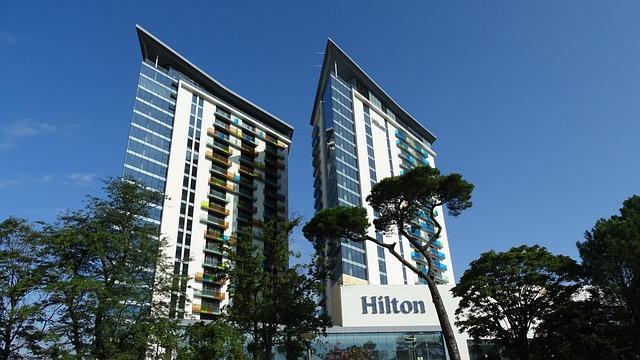


Hilton Houston Post Oak’s Financial Struggles Reflect Broader Hospitality Industry Challenges
The Hilton Houston Post Oak, once a beacon of upscale hospitality in Houston’s prestigious Post Oak neighborhood, is currently confronting serious financial hurdles. These difficulties not only highlight the hotel’s individual challenges but also mirror widespread issues affecting luxury hotels across the United States. This article delves into the factors contributing to the Hilton Houston Post Oak’s revenue decline, examines the broader industry pressures, and outlines strategic approaches for recovery in today’s volatile market.
Revenue Pressures and Escalating Costs at Hilton Houston Post Oak
Despite its prime location and strong brand presence, the Hilton Houston Post Oak has experienced a significant drop in revenue, largely driven by surging operational expenses. The hotel faces mounting labor costs due to ongoing workforce shortages and increased wage demands. Additionally, rising utility bills and supply chain disruptions have further strained profitability. These challenges are symptomatic of a nationwide trend where hotels are struggling to maintain margins amid inflationary pressures and shifting consumer behaviors.
Primary contributors to the hotel’s financial strain include:
- Heightened labor expenses amid a competitive job market
- Increased costs for energy and routine maintenance
- Inflation-driven price hikes on food, beverages, and guest amenities
- Declining corporate travel budgets reducing business bookings
| Cost Category | Previous Quarter | Current Quarter | Percentage Increase |
|---|---|---|---|
| Labor Expenses | $3.2 Million | $3.7 Million | +15% |
| Utility Bills | $720,000 | $860,000 | +19% |
| Guest Supplies & Amenities | $500,000 | $580,000 | +16% |
| Maintenance Costs | $350,000 | $400,000 | +14% |
Wider Industry Obstacles Affecting Houston’s Luxury Hotel Segment
The financial difficulties at Hilton Houston Post Oak are emblematic of the broader challenges confronting Houston’s luxury hotel market. Inflationary pressures, labor shortages, and unpredictable demand patterns have forced many high-end hotels to rethink their operational strategies. Moreover, the rise of alternative accommodations such as short-term rentals and evolving traveler preferences in the post-pandemic era have intensified competition, making it harder for traditional hotels to sustain consistent revenue.
Key industry-wide challenges include:
- Workforce Gaps: Difficulty in recruiting and retaining qualified staff, which impacts service delivery and operational smoothness.
- Supply Chain Disruptions: Delays and cost increases for essential goods, affecting both guest satisfaction and cost structures.
- Demand Instability: Fluctuating occupancy rates due to unpredictable booking trends and changing travel behaviors.
| Challenge | Effect on Operations | Recommended Response |
|---|---|---|
| Labor Shortages | Lower productivity and increased overtime expenses | Offer competitive pay and flexible work schedules |
| Rising Supply Costs | Higher operational expenses, squeezing profit margins | Implement bulk purchasing and prioritize local suppliers |
| Demand Volatility | Revenue unpredictability and occupancy fluctuations | Adopt dynamic pricing and targeted marketing campaigns |
Leveraging Cost Efficiency and Innovation to Drive Recovery
In response to these financial pressures, hotels like Hilton Houston Post Oak must embrace strategic cost management to stabilize operations. This involves a comprehensive evaluation of expenses, focusing on optimizing labor deployment, renegotiating supplier contracts, and investing in energy-saving technologies. Such measures enable hotels to uphold service quality while curbing unnecessary spending.
Simultaneously, innovation plays a pivotal role in revitalizing revenue streams and enhancing guest engagement. The hospitality sector is increasingly turning to digital solutions such as AI-driven personalized marketing, contactless check-in systems, and flexible pricing models to meet evolving customer expectations. Key innovation areas include:
- Digital Enhancements: Streamlining guest interactions and reducing manual workload.
- Eco-Friendly Practices: Cutting costs through sustainable energy use and waste minimization.
- Adaptive Booking Options: Catering to travelers’ changing needs with flexible cancellation and rescheduling policies.
| Approach | Advantages | Expected Outcomes |
|---|---|---|
| Labor Efficiency | Lower payroll costs | 10-15% reduction in expenses |
| Contactless Technology | Enhanced guest satisfaction | Up to 20% boost in bookings |
| Sustainability Initiatives | Decreased utility expenses | Cost savings of up to 12% |
Strategic Recommendations for Hilton Houston Post Oak Amid Post-Pandemic Recovery
To regain financial stability in a fluctuating market, Hilton Houston Post Oak should focus on adaptive marketing efforts that highlight health protocols, safety, and tailored guest experiences. Concentrating on domestic travelers and regional business clientele can help offset the decline in international visitors. Enhancing direct booking channels through digital platforms and launching loyalty programs aimed at frequent local guests will be vital for revenue consistency.
Operational improvements are equally important. Optimizing staffing based on predictive demand analytics and integrating energy-efficient technologies can significantly reduce overhead costs. Furthermore, forging partnerships with local enterprises and event organizers can diversify income sources by offering hybrid events and exclusive local experiences. The following table summarizes critical focus areas for the hotel’s turnaround:
| Focus Area | Recommended Actions | Projected Benefits |
|---|---|---|
| Marketing | Launch targeted digital campaigns and loyalty rewards | Higher booking rates and improved guest retention |
| Operations | Implement staffing optimization and energy-saving solutions | Reduced costs and enhanced operational efficiency |
| Local Partnerships | Collaborate with community businesses and event planners | Expanded revenue streams and enriched guest offerings |
Conclusion: Navigating a Complex Hospitality Landscape
The financial challenges confronting Hilton Houston Post Oak exemplify the broader difficulties facing the hospitality industry amid evolving economic and market conditions. Rising operational costs, labor shortages, and shifting traveler preferences are reshaping the landscape for luxury hotels nationwide. The ability of Hilton and similar establishments to implement innovative strategies and cost-effective measures will be critical in restoring profitability and ensuring sustainable growth in an increasingly competitive environment.
—-
Author : Atticus Reed
Publish date : 2026-02-22 22:09:00
Copyright for syndicated content belongs to the linked Source.
—-
1 – 2 – 3 – 4 – 5 – 6 – 7 – 8