



Houston Wildfire Response: Strengthening Containment Amid Rising Wind Challenges
Firefighters Fortify Containment Efforts as Winds Intensify
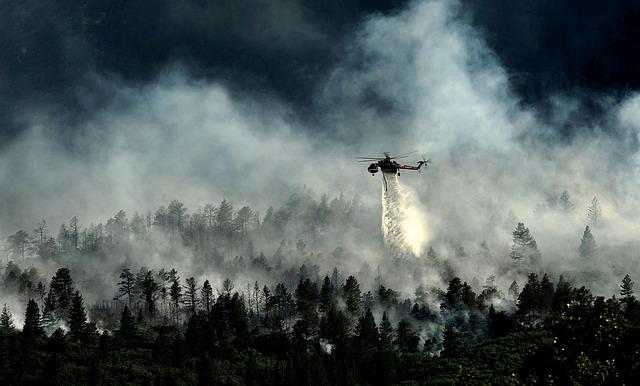
Fire crews battling the wildfire near Houston are intensifying their efforts to secure containment lines as gusty winds threaten to exacerbate the blaze. Despite wind speeds climbing throughout the day, responders remain alert and proactive, deploying additional personnel and equipment to vulnerable areas to prevent flare-ups that could undermine control. Their approach hinges on continuous surveillance and swift intervention to protect nearby neighborhoods and vital infrastructure.
Operational tactics currently in use include:
- Expanding firebreaks using both heavy machinery and manual clearing techniques
- Coordinated aerial water drops targeting hotspots
- Regular patrol shifts to identify and extinguish spot fires promptly
- Maintaining seamless communication between field teams and command centers
| Containment Zone | Status | Wind Velocity (mph) | Deployed Resources |
|---|---|---|---|
| North Ridge | Stable | 15 | 8 Fire Engines, 3 Helicopters |
| East Valley | Under Observation | 20 | 5 Fire Engines, 2 Aerial Water Drops |
| South Creek | Critical | 22 | 10 Fire Engines, 4 Ground Crews |
Strategic Firefighting Initiatives by Houston Fire Department to Halt Wildfire Expansion
The Houston Fire Department (HFD) has implemented a comprehensive and adaptive strategy to combat the wildfire threatening the Houston vicinity. By utilizing a combination of natural terrain features and engineered firebreaks, HFD has effectively slowed the fire’s advance despite the challenge of escalating wind speeds. Their multi-layered response includes:
- Swift deployment: Fire units were rapidly positioned along anticipated fire trajectories to establish control points.
- Integrated resource management: Synchronization of aerial and ground firefighting assets to maintain continuous suppression efforts.
- Protecting communities: Early evacuation advisories and public notifications to reduce risk to residents.
Leveraging the latest wildfire behavior analytics and meteorological data, HFD continuously adjusts tactics to evolving conditions. The table below outlines key operational factors influencing containment success:
| Operational Factor | Severity | Countermeasure |
|---|---|---|
| Wind Speed | High | Strengthened containment lines with targeted water drops |
| Fuel Load (Vegetation Density) | Moderate | Fuel reduction via controlled burns |
| Water Accessibility | High | Strategic positioning of engines near hydrants and water sources |
These deliberate measures underscore HFD’s dedication to minimizing wildfire impact while maintaining firm control over the dynamic situation.
Resident Safety: Evacuation Procedures and Preparedness Guidelines
In response to the escalating wildfire threat, local authorities have intensified efforts to prepare Houston-area residents for potential evacuations. Emergency management teams, in partnership with HFD, have outlined clear evacuation routes, designated safe shelters, and established communication networks to provide timely updates. Residents are strongly encouraged to familiarize themselves with these protocols, as rapidly shifting weather—especially stronger winds—may necessitate urgent evacuation.
Essential safety recommendations for residents include:
- Assembling an emergency kit containing medications, vital documents, and basic necessities.
- Staying informed through official channels such as local news outlets, social media, and emergency notification apps.
- Complying immediately with evacuation orders to ensure personal safety and aid emergency operations.
- Securing pets and preparing multiple transportation options in case primary routes become blocked.
| Evacuation Area | Main Exit Route | Assigned Shelter |
|---|---|---|
| Zone A | Highway 6 North | Central Community Center |
| Zone B | FM 1960 East | Eastside Elementary School |
| Zone C | Interstate 45 South | Southside Recreation Hall |
Environmental Consequences and Continuous Surveillance of the Houston Wildfire
The ongoing wildfire near Houston poses significant environmental risks, including degradation of air quality and damage to local ecosystems. The fire releases substantial amounts of particulate matter and greenhouse gases, contributing to atmospheric pollution. Critical habitats face destruction, threatening native wildlife such as songbirds and small mammals already stressed by urban sprawl. Additionally, the loss of vegetation heightens the risk of soil erosion, which may lead to sediment contamination in nearby water bodies.
To address these concerns, emergency teams have established a comprehensive monitoring framework that includes:
- Deployment of air quality monitoring stations throughout the metropolitan area
- Regular drone flights to map fire boundaries and identify hotspots
- Integration of real-time meteorological data focusing on wind patterns and humidity
- Collaboration with environmental organizations to plan post-fire habitat restoration
This vigilant monitoring supports informed decision-making for containment and keeps the public apprised of health risks related to smoke and ash exposure.
| Monitoring Instrument | Function | Update Interval |
|---|---|---|
| Ground-Based Air Quality Sensors | Measure particulate matter and ozone concentrations | Hourly |
| Drone Reconnaissance | Visual assessment of fire perimeter and detection of new hotspots | Every 3 hours |
| Weather Monitoring Stations | Track humidity, wind speed, and temperature | Continuous |
Summary and Ongoing Updates
As firefighting teams continue to hold and strengthen containment lines around the Houston wildfire, officials remain watchful amid rising wind conditions that could jeopardize progress. The Houston Fire Department, alongside emergency responders, is actively managing the situation to protect public safety and prevent further fire expansion. Residents are advised to stay alert and follow official communications for the latest updates. The Houston Chronicle will provide continuous coverage as this developing story unfolds.
—-
Author : Ava Thompson
Publish date : 2026-02-26 12:54:00
Copyright for syndicated content belongs to the linked Source.
—-
1 – 2 – 3 – 4 – 5 – 6 – 7 – 8