

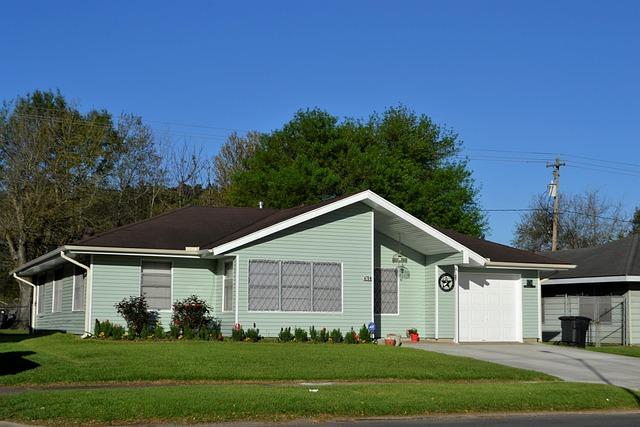


Comprehensive Review of Houston and Harris County’s Housing Affordability Crisis
The Kinder Institute for Urban Research at Rice University has unveiled its newest State of Housing report, delivering a thorough examination of the escalating housing affordability issues confronting Houston and Harris County. Amidst rapid population growth and evolving economic landscapes, this report offers critical insights into the mounting challenges residents face in securing affordable housing. It explores pivotal trends, economic drivers, and policy gaps, serving as an essential guide for policymakers, developers, and community advocates dedicated to shaping Houston’s housing future.
Unveiling the Housing Affordability Struggles in Houston and Harris County
Recent findings from the Kinder Institute reveal a stark reality: housing costs in Houston and Harris County are rising at a pace that outstrips income growth, placing significant financial burdens on many households. With median home prices now hovering around $320,000 in Houston and $310,000 in Harris County, and rental vacancy rates tightening to approximately 4%, affordable housing options are becoming increasingly scarce. Alarmingly, nearly half of all households—over 45%—are considered cost-burdened, dedicating more than 30% of their income to housing expenses. This strain disproportionately affects low-income families, who face the greatest risk of housing instability.
Several key factors are driving this affordability crunch:
- Escalating construction expenses that hinder the development of affordable housing projects.
- Scarcity of below-market rental units, limiting options for cost-conscious renters.
- Rapid population expansion that intensifies demand without a corresponding increase in supply.
| Indicator | Houston | Harris County |
|---|---|---|
| Median Home Price | $320,000 | $310,000 |
| Rental Vacancy Rate | 4.2% | 3.9% |
| Cost-Burdened Households | 47% | 45% |
Socioeconomic Consequences of Increasing Housing Expenses
The surge in housing costs has far-reaching effects on the economic and social fabric of Houston and Harris County. As affordable housing near job centers becomes scarce, many residents are compelled to endure longer commutes, which not only inflate transportation costs but also reduce time available for family and personal activities. This dynamic disproportionately impacts low- and moderate-income households, exacerbating financial vulnerability and limiting pathways to economic advancement. Local employers also face challenges retaining workers who struggle to reconcile stagnant wages with rising living expenses.
Notable social repercussions include:
- Displacement of established residents, leading to diminished neighborhood diversity.
- Increased housing instability and a rise in homelessness.
- Changes in public school populations and shifts in resource distribution.
- Widening gaps in access to healthcare and essential community services.
| Area of Impact | Before Cost Increase | After Cost Increase |
|---|---|---|
| Average Commute Duration | 28 minutes | 40 minutes |
| Homeownership Rate | 62% | 53% |
| Poverty Rate | 14% | 19% |
| Homelessness Rate | 0.4% | 1.1% |
Examining Policy Deficiencies and Barriers to Affordable Housing Development
Although multiple programs have been introduced to expand affordable housing, the report underscores persistent policy shortcomings that hinder progress in Houston and Harris County. A major obstacle is the disjointed land use regulations across different municipalities, which create bureaucratic delays and inflate development costs. Additionally, the lack of compelling incentives for private developers to prioritize affordable housing results in a market skewed toward luxury and high-end units. The absence of strong inclusionary zoning laws further limits the integration of affordable homes within new developments, curtailing socioeconomic diversity.
Critical gaps identified include:
- Insufficient and unstable funding streams to support long-term affordable housing initiatives.
- Poor inter-agency coordination, leading to duplicated efforts and stalled projects.
- Weak preservation policies that fail to protect existing affordable housing stock from deterioration or conversion.
| Policy Issue | Effect | Recommended Solution |
|---|---|---|
| Fragmented Zoning Regulations | Prolonged approval timelines | Establish a unified zoning code |
| Lack of Developer Incentives | Reduced affordable housing supply | Implement tax credits and subsidies |
| Funding Deficiencies | Project delays and cancellations | Develop diversified public-private funding models |
Actionable Strategies to Enhance Housing Affordability and Foster Inclusive Development
Addressing Houston and Harris County’s housing affordability crisis demands a comprehensive, multi-pronged approach that balances economic vitality with social inclusion. Expanding the affordable housing inventory through progressive zoning reforms and incentivizing private sector engagement in mixed-income developments is paramount. Public-private partnerships can serve as catalysts for investment while safeguarding community identity and minimizing displacement risks.
To promote equitable growth, targeted measures should focus on dismantling systemic barriers faced by marginalized groups. Recommended initiatives include:
- Bolstering tenant rights to prevent unjust evictions and enhance housing stability.
- Improving public transportation networks to better connect affordable neighborhoods with employment hubs.
- Expanding community land trusts to empower residents and secure long-term affordability.
- Investing in workforce development programs aligned with local economic needs.
| Strategy | Anticipated Outcome |
|---|---|
| Inclusionary Zoning Implementation | Boost affordable housing availability in new projects |
| Enhanced Tenant Support Programs | Lower eviction rates and housing turnover |
| Transit-Oriented Development | Reduce commuting times and living expenses |
| Community Land Trust Expansion | Preserve affordability and community stability |
Conclusion: Navigating Houston’s Housing Future
The Kinder Institute’s latest State of Housing report offers a vital, data-driven perspective on the persistent housing affordability challenges in Houston and Harris County. As the region continues to expand, a nuanced understanding of market dynamics and policy limitations is essential for crafting sustainable, inclusive housing solutions. This report underscores the urgency of coordinated, innovative efforts to ensure that all residents have access to secure, affordable homes, fostering a resilient and equitable community for years to come.
—-
Author : Charlotte Adams
Publish date : 2026-08-13 17:39:00
Copyright for syndicated content belongs to the linked Source.