


Political Highlights of the Week (July 22, 2026) – Houston Public Media
This week’s political landscape was marked by significant developments spanning local, national, and global spheres, influencing policy directions and public conversations. From heated legislative negotiations in the nation’s capital to strategic electoral maneuvers and diplomatic dialogues overseas, leaders grappled with decisions that could reshape governance and societal priorities. Houston Public Media offers an in-depth overview of the pivotal political moments from July 22, 2026, providing readers with a nuanced understanding of the forces steering today’s political environment.
Major Policy Discussions Driving National Change – July 22, 2026
Congress remained deeply engaged this week in deliberations over sweeping climate initiatives and bolstering national defense mechanisms. At the forefront is the Green Infrastructure Act, a landmark proposal seeking to invest $250 billion into renewable energy ventures and urban resilience projects. Proponents highlight its potential to guide the United States toward achieving carbon neutrality by 2040, while critics caution against escalating federal deficits and excessive regulatory burdens. Concurrently, bipartisan efforts advanced to enhance cybersecurity frameworks aimed at protecting vital infrastructure from sophisticated cyber threats, marking a rare collaborative effort amid partisan divides.
Healthcare reform also took center stage, with lawmakers examining strategies to broaden medical coverage in underserved rural areas and curb soaring prescription drug prices. These issues dominated public forums and congressional hearings, reflecting widespread concern over healthcare accessibility and affordability. Key policy arenas under active consideration include:
- Environmental Policy: Budget allocations, incentives for clean energy, and emission reduction targets
- National Defense: Cybersecurity enhancements, intelligence cooperation, and safeguarding critical infrastructure
- Healthcare Reform: Expanding rural healthcare access, regulating pharmaceutical costs, and insurance market reforms
| Policy Sector | Principal Proposal | Progress Status |
|---|---|---|
| Environment | Green Infrastructure Act | Under Congressional Review |
| Defense | National Cybersecurity Enhancement | Bipartisan Negotiations Ongoing |
| Healthcare | Rural Coverage Expansion | Committee Hearings in Progress |
Texas Legislative Initiatives and Their National Repercussions
Texas lawmakers have introduced a series of bills poised to influence both state and federal policy landscapes. These proposals address critical sectors such as energy regulation, education funding transparency, and immigration enforcement, each with potential ripple effects on national governance. The state’s energy reforms emphasize expanding renewable energy incentives, aligning Texas’s policies with broader federal climate objectives. Meanwhile, education legislation aims to increase accountability in school board operations, sparking debates over the balance between local autonomy and centralized oversight.
At the federal level, emerging legislation mirrors Texas’s regulatory priorities while advocating for uniform national standards. Highlights from this week’s legislative agenda include:
- Augmented border security funding – reconciling state demands with federal resource distribution.
- Infrastructure modernization directives – integrating state innovation with federal regulatory frameworks.
- Healthcare accessibility expansion – addressing jurisdictional complexities between state and federal authorities.
| Policy Focus | Texas Legislation | Federal Context |
|---|---|---|
| Energy | 20% increase in renewable energy incentives | Updated federal carbon reduction targets |
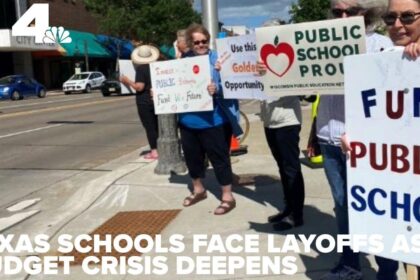
| Education | Mandated transparency for school boards | Ongoing debate over federal education standards |
| Immigration | Expanded state enforcement authority | Proposed federal immigration reforms |
Strategic Campaign Approaches Ahead of the 2026 Midterm Elections
With the 2026 midterm elections on the horizon, political campaigns are intensifying efforts to sway undecided voters in crucial swing districts. Campaign teams are increasingly relying on sophisticated data analytics and targeted social media strategies to craft messages that resonate with local concerns such as education reform, healthcare accessibility, and economic revitalization. Early polls indicate a tightening race, prompting candidates to invest heavily in grassroots mobilization and community engagement through town halls and local events to foster trust and visibility.
Recent campaign trends include:
- Advanced digital outreach: Utilizing AI-powered platforms to maximize advertising efficiency and voter interaction.
- Building diverse coalitions: Partnering with labor unions, environmental advocates, and minority groups to broaden support bases.
- Intensive debate preparation: Training candidates to anticipate policy questions and respond swiftly to opposition critiques.
| Tactic | Focus | Projected Outcome |
|---|---|---|
| Data-Driven Targeting | Specific Voter Demographics | 7% Increase in Voter Turnout |
| Community Outreach | Local Engagement & Town Halls | Enhanced Candidate Favorability |
| Rapid Response Units | Media Monitoring & Messaging | Reduced Impact of Opponent Attacks |
Enhancing Civic Participation and Voter Education Efforts
Fostering active citizen involvement in democracy demands comprehensive approaches that prioritize accessibility, education, and community engagement. Municipal authorities and civic groups are encouraged to host interactive educational sessions and public forums that simplify complex political topics into relatable narratives. Emphasizing voter registration deadlines and polling site information through collaborations with schools, libraries, and community hubs is vital. Additionally, leveraging social media to disseminate concise, accurate information can counteract misinformation and stimulate informed dialogue among diverse populations.
Targeted outreach is particularly crucial to combat voter disengagement and amplify underrepresented voices. Providing multilingual resources and culturally tailored messaging can significantly increase participation within Houston’s multicultural communities. Recommended strategies to elevate voter awareness include:
- Deploying mobile voter registration units in busy public spaces
- Partnering with local influencers to broaden message reach
- Distributing voter education kits through community organizations
- Promoting early voting options to highlight convenience and safety
| Initiative | Target Group | Anticipated Effect |
|---|---|---|
| Pop-Up Registration Booths | Young Voters | Higher Youth Turnout |
| Neighborhood Outreach | Marginalized Communities | Increased Awareness and Participation |
| Social Media Engagement Campaigns | General Electorate | Greater Digital Engagement |
Conclusion
As this week concludes, both Houston and the broader United States continue to navigate a complex political terrain shaped by ongoing legislative debates, electoral strategies, and policy reforms. The decisions made during this period will have lasting effects on local communities and national governance alike. Stay connected with Houston Public Media for continuous updates and expert analysis as these stories evolve.
—-
Author : William Green
Publish date : 2026-11-07 19:37:00
Copyright for syndicated content belongs to the linked Source.