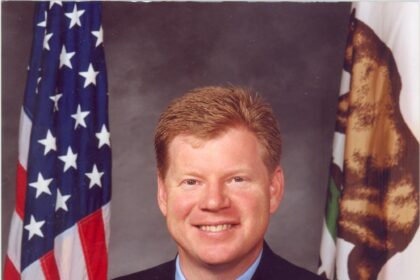



Examining the Controversy Over Charter Consulting Payments to Former HISD Superintendent Mike Miles
Legal and Ethical Questions Arise Over Consulting Fees Paid to Mike Miles
Recent disclosures revealing that Mike Miles, the former superintendent of the Houston Independent School District (HISD), received consulting fees from charter school organizations have ignited significant legal and ethical debates. Texas state law enforces a mandatory waiting period during which former public officials are barred from engaging in consulting roles with entities connected to their previous duties. Critics contend that Miles’ consulting engagements may have breached these restrictions, casting doubt on the integrity of governance within one of Texas’s largest school districts. This situation has triggered demands for a comprehensive inquiry to determine whether any legal or policy violations occurred.
Legal analysts stress the critical importance of upholding the state’s “cooling-off” provisions, warning that even the appearance of impropriety can damage public confidence. Education advocates are calling for transparency regarding the specifics of the contracts, the amounts paid, and whether full disclosures were made in accordance with regulations. Key issues fueling the debate include:
- Possible Breach of Post-Employment Restrictions: Scrutiny of Texas laws that limit former HISD officials’ consulting activities.
- Ambiguity in Payment Details: Unclear information about the scale and terms of consulting fees.
- Transparency and Disclosure Gaps: Concerns over incomplete or missing financial reporting.
| Category | HISD Policy | Current Situation |
|---|---|---|
| Post-Employment Consulting | 12-month mandatory waiting period | Consulting fees reportedly paid within restricted timeframe |
| Disclosure Obligations | Complete financial transparency required | Reports of partial or absent disclosures |
| Conflict of Interest Rules | Strict prohibitions on related-party financial dealings | Uncertainty about whether conflicts were properly managed |
Understanding Texas State Laws on Outside Compensation for Public Officials
The controversy surrounding Mike Miles’ consulting fees extends into the realm of financial ethics and compliance with Texas statutes that restrict outside income for public officials. These laws are designed to prevent dual compensation that could compromise an official’s impartiality and dedication to public service. At the core of the issue is whether Miles’ consulting work with charter school operators violates these statutes, which aim to eliminate conflicts of interest and maintain the integrity of public education leadership.
Lawmakers, watchdog organizations, and the public are closely examining the nuances of these restrictions, raising critical questions such as:
- Does Miles’ consulting engagement contravene the explicit or implicit terms of the state ban?
- Are there any legal exceptions or loopholes that might apply?
- Was the outside income fully and accurately disclosed?
The table below contrasts the state’s regulatory criteria with the reported activities in Miles’ case:
| State Regulation | Miles’ Reported Conduct |
|---|---|
| Prohibition on compensation from entities linked to official duties | Consulting for Texas charter schools within the education sector |
| Mandatory full disclosure of all earnings | Partial disclosures with ongoing investigations |
| Ban on activities that compromise official role integrity | Allegations of potential conflicts raised by oversight groups |
Transparency and Accountability Challenges in School District Financial Management
The revelations about consulting fees paid to Mike Miles have sparked urgent discussions about the transparency of financial dealings within school district leadership. This controversy highlights potential weaknesses in oversight systems designed to prevent conflicts of interest and uphold ethical standards. It underscores the necessity for more rigorous disclosure requirements and strict compliance with state laws governing financial transactions involving district officials. Community members and stakeholders are demanding not only a thorough investigation into these payments but also assurances that future contracts will be managed with full openness.
To address these challenges, accountability frameworks must evolve. Enhanced reporting protocols and independent audits could serve as vital tools to ensure compliance and restore public confidence. The following table outlines proposed strategies to reinforce accountability in school district governance:
| Strategy | Description | Anticipated Benefit |
|---|---|---|
| Regular Financial Disclosures | Mandate frequent updates to public records detailing consulting fees and contracts. | Greater transparency enabling community oversight. |
| Independent Audit Panels | Appoint external auditors to review financial agreements and payments. | Increased objectivity and credibility in financial evaluations. |
| Whistleblower Safeguards | Protect individuals who report unethical or illegal conduct. | Encourages reporting of misconduct without fear of retaliation. |
| Public Access to Contract Information | Develop online platforms for community members to review contract details. | Boosts engagement and accountability through easy information access. |
Strategies to Enhance Oversight and Mitigate Conflicts of Interest
To rebuild trust and promote ethical leadership, school districts must adopt clear policies and rigorous oversight mechanisms concerning consulting fees and external engagements of their officials. Oversight authorities should require full transparency of all financial relationships and enforce strict prohibitions on contracts that could create conflicts of interest. Regular independent audits are essential to identify and resolve potential violations proactively.
Legislative and administrative reforms can further strengthen accountability, including:
- Enforced cooling-off periods preventing former officials from immediately entering consulting roles.
- Mandatory public reporting of all consulting contracts and compensation.
- Uniform conflict-of-interest policies applicable across both charter and public school sectors.
- Robust whistleblower protections to encourage ethical reporting without fear.
| Recommended Action | Expected Impact |
|---|---|
| Transparent Financial Reporting | Minimizes undisclosed financial relationships |
| Independent Auditing | Enhances compliance and accountability |
| Conflict-of-Interest Education | Raises awareness and prevention among staff |
Conclusion: Ongoing Scrutiny and the Path Forward
As investigations proceed, the controversy over consulting fees paid to former HISD superintendent Mike Miles highlights persistent concerns about transparency and legal compliance in educational leadership. State regulators and lawmakers are expected to intensify their examination of such financial arrangements, potentially leading to stricter regulations aimed at preventing conflicts of interest. Stakeholders invested in the integrity of Texas’s public and charter school systems will be closely monitoring these developments, emphasizing the critical need for ethical governance and accountability in education.
—-
Author : Miles Cooper
Publish date : 2026-06-02 06:39:00
Copyright for syndicated content belongs to the linked Source.
—-
1 – 2 – 3 – 4 – 5 – 6 – 7 – 8