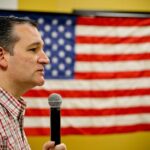



Texas Voters Rally for Leadership Renewal in Pivotal Election Year
Widespread Demand for Political Transformation in Texas
As Texas approaches a decisive election cycle, a growing number of voters are voicing their frustration with the current political establishment. From bustling metropolitan areas to small rural communities, there is a unified call for leaders who bring innovation, transparency, and a proactive approach to governance. The electorate is increasingly convinced that conventional methods are inadequate for tackling the state’s multifaceted economic, social, and environmental challenges.
Among the primary expectations from voters are:
- Enhanced accountability through measurable outcomes for public officials
- Introduction of fresh viewpoints by younger and more diverse candidates
- Comprehensive policy reforms targeting education, healthcare, and infrastructure upgrades
- Boosted civic participation via open and transparent communication channels
| Priority Issue | Urgency Level | Support Among Voters (%) |
|---|---|---|
| Economic Growth and Job Creation | Very High | 81% |
| Education System Overhaul | High | 68% |
| Accessible Healthcare Services | Moderate | 62% |
New Political Figures Bring Innovative Solutions to Texas’ Challenges
In response to the electorate’s appetite for change, a fresh cohort of candidates is emerging across Texas, offering novel ideas and renewed vigor to address persistent state issues. These leaders, representing a spectrum of backgrounds, emphasize community-centric policies and transparent leadership, aiming to reconnect with voters disillusioned by traditional political rhetoric.
Many of these contenders advocate for bipartisan cooperation, positioning themselves as pragmatic problem-solvers rather than strict partisans. Their campaigns focus on:
- Expanding high-speed internet access in underserved rural regions to close the digital gap
- Enhancing public education funding to improve teacher retention rates and student achievement
- Adopting sustainable water resource management to mitigate the effects of recurring droughts
| Candidate | Focus Area | Innovative Approach |
|---|---|---|
| Elena Ramirez | Education | Implementing localized curriculum development |
| David Chen | Healthcare | Deploying mobile health units in remote communities |
| Fatima Al-Sayed | Environment | Community-led water conservation programs |
Community Demands for Inclusive Representation and Transparent Governance
Across Texas, voters are increasingly advocating for leadership that mirrors the state’s diverse population and prioritizes openness and responsibility. Many residents stress the importance of moving beyond entrenched political norms, seeking candidates who genuinely reflect their communities’ evolving demographics and concerns. From urban neighborhoods to rural districts, constituents want leaders who demonstrate integrity, responsiveness, and authentic engagement rather than partisan allegiance.
Recurring themes from community feedback include:
- Greater inclusion of historically marginalized groups in government roles
- Establishment of clear accountability frameworks to ensure elected officials fulfill their promises
- Leadership that actively addresses urgent issues such as education, healthcare, and economic development
| Community Concern | Priority Level | Desired Leadership Qualities |
|---|---|---|
| Representation | High | Reflects community diversity and values |
| Transparency | Critical | Open dialogue and clear objectives |
| Accountability | Essential | Concrete actions and consistent follow-up |
Effective Approaches to Engage Voters and Foster Confidence in New Leadership
To resonate with Texans eager for transformation, candidates are prioritizing open communication and active responsiveness. Utilizing town hall meetings, virtual discussions, and dynamic social media interactions, emerging leaders are making themselves accessible and accountable. Simplifying complex policy issues into relatable narratives helps voters grasp how proposed initiatives will impact their everyday lives.
Trust-building extends beyond rhetoric, requiring meaningful community involvement. Campaigns are increasingly partnering with grassroots organizations and leveraging data analytics to customize outreach efforts, ensuring they address the unique concerns of different neighborhoods. The following table outlines key tactics employed by successful campaigns this election season:
| Engagement Strategy | Primary Activity | Result |
|---|---|---|
| Grassroots Mobilization | Organizing local community events | Strengthens voter trust and loyalty |
| Digital Interaction | Hosting live Q&A sessions on social platforms | Improves voter accessibility and participation |
| Policy Clarity | Distributing concise, easy-to-understand policy summaries | Boosts voter confidence and informed decision-making |
Conclusion: A Turning Point for Texas Politics
As Texans prepare to vote in this pivotal election year, the widespread demand for leadership renewal and fresh perspectives signals a significant shift in the state’s political dynamics. With many voters expressing dissatisfaction with existing governance, candidates who offer innovative solutions and authentic engagement stand to gain substantial support. The election results will not only influence Texas’ policy direction but also reflect the changing priorities of its diverse population. Observers will be watching closely to see if this momentum for “new blood” translates into meaningful change at both local and state levels.
—-
Author : Miles Cooper
Publish date : 2026-07-03 03:40:00
Copyright for syndicated content belongs to the linked Source.
—-
1 – 2 – 3 – 4 – 5 – 6 – 7 – 8